How a crisis decision became one of Words in Action Haiti’s most important commitments
When Dr. Louis first mobilized to respond to the displacement crisis gripping the Qui-Croit community, the mission was urgent and singular: save the school year.
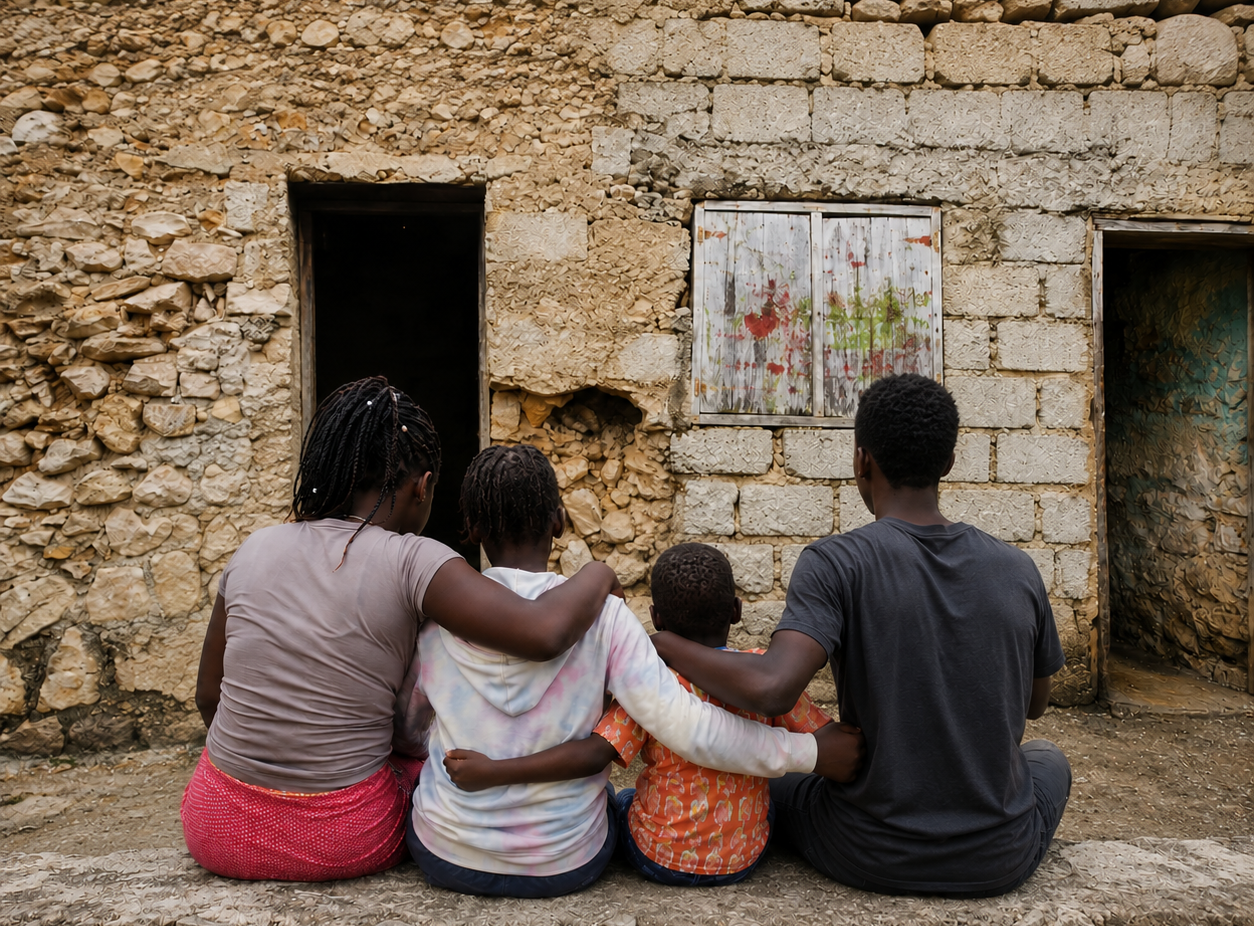
These children had already lost too much. Their neighborhoods. Their routines. In many cases, their sense of safety. The last thing they could afford to lose was another academic year. So, Words in Action Haiti moved without a complete plan, without secured funding, without a guaranteed path forward.
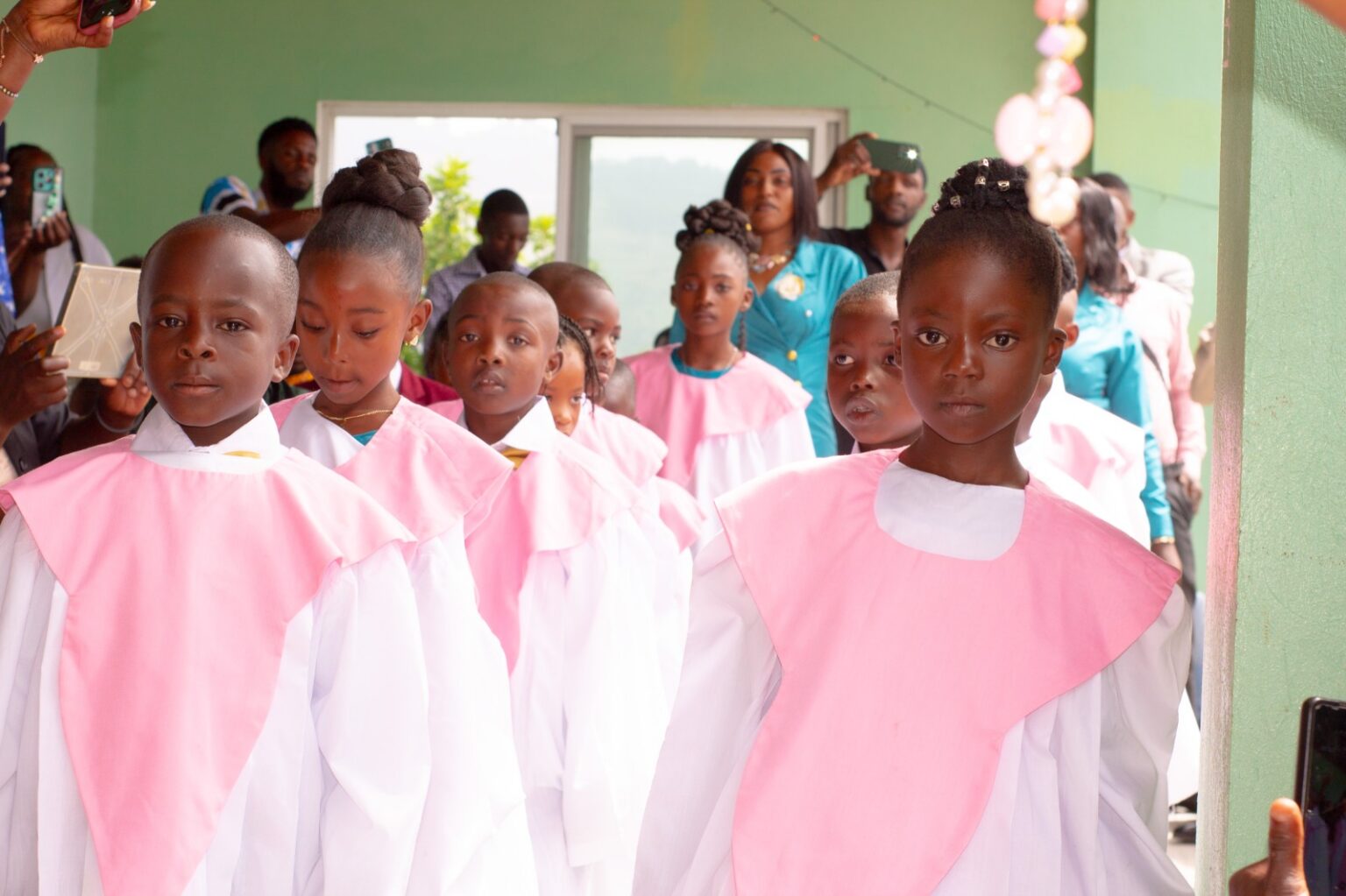
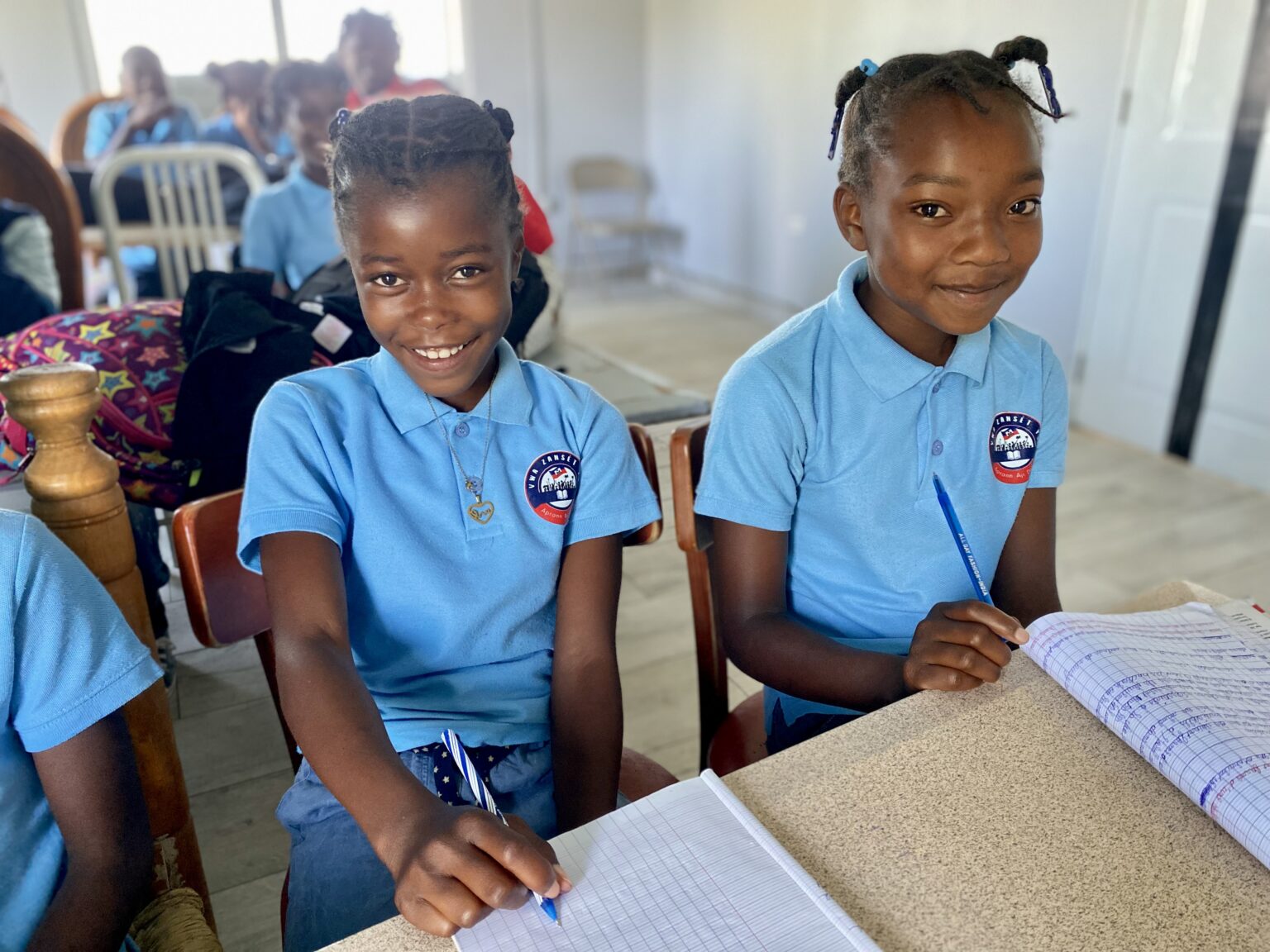
We moved, and the children responded. That was the thing that stopped us in our tracks. Despite everything these children had been through, they showed up. Their will to learn was never the question.
But as we got closer to their stories, something became impossible to ignore.
Hunger Does Not Wait Outside the Classroom Door
After families fled the violence in Qui-Croit and surrounding areas, many children were living with relatives, some with neighbors, some with strangers who were themselves barely surviving. They came to class with empty stomachs and tried to learn anyway.
But hunger follows a child into the classroom. It dulls focus. It shortens attention. It turns a 45-minute lesson into an endurance test. A child thinking about when they will eat next cannot give everything to a math problem or a reading passage. This is not a failure of will. It is biology. And we could not look at that reality without responding to it.
We began to understand: for these children, in this moment, nourishment was not separate from education. It was a prerequisite for it.
A Promise That Changed Everything
We reached out. We asked for help from friends, from supporters, from anyone willing to listen. A sister organization stepped forward and committed to funding the meals. That commitment made everything possible.
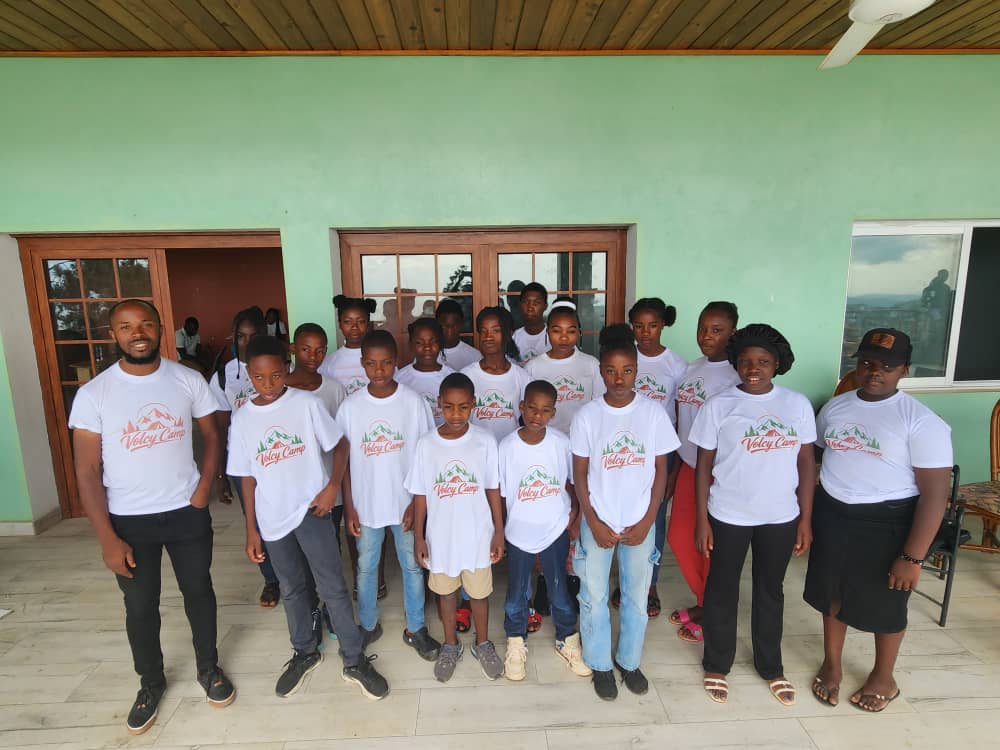
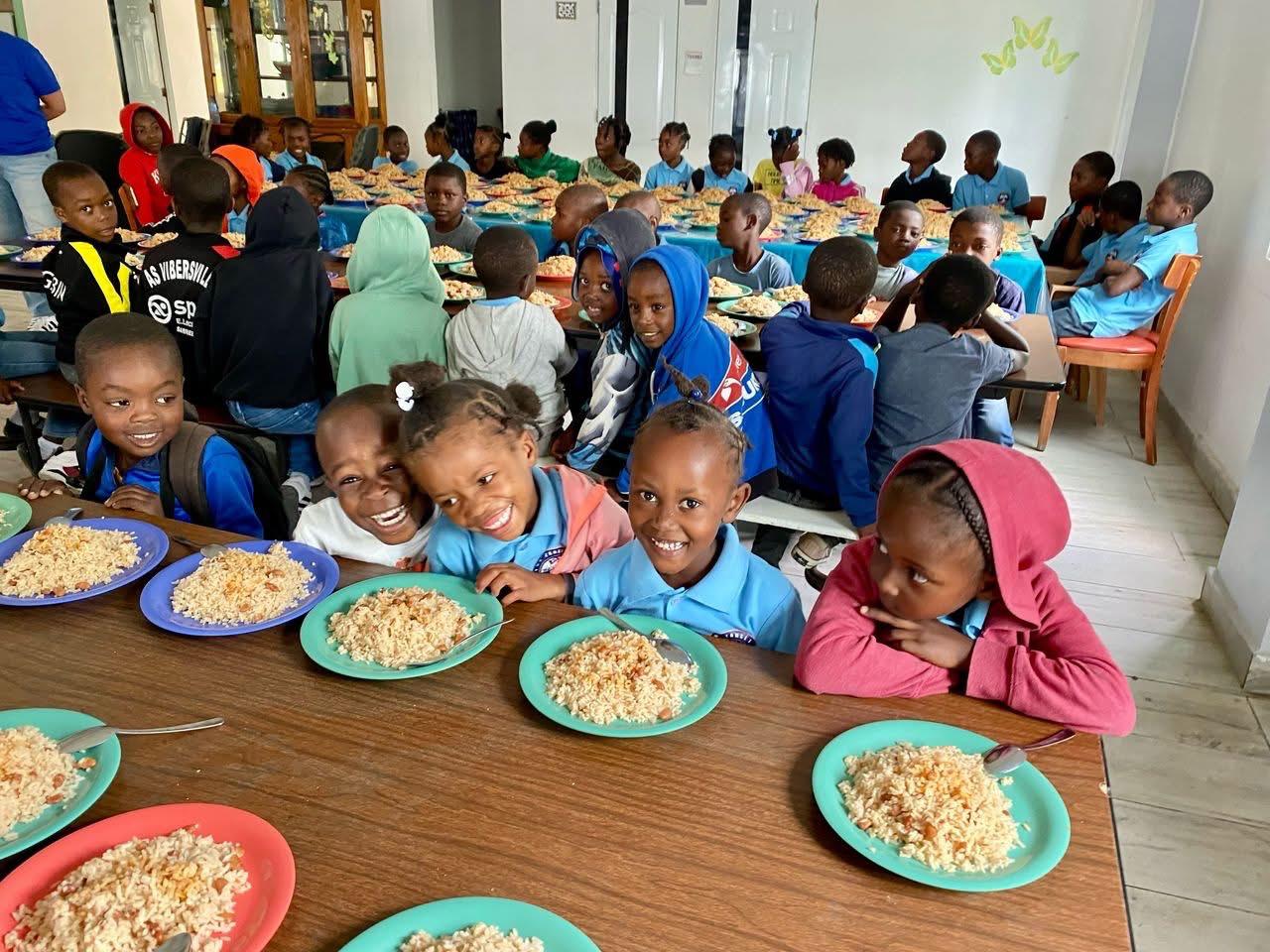
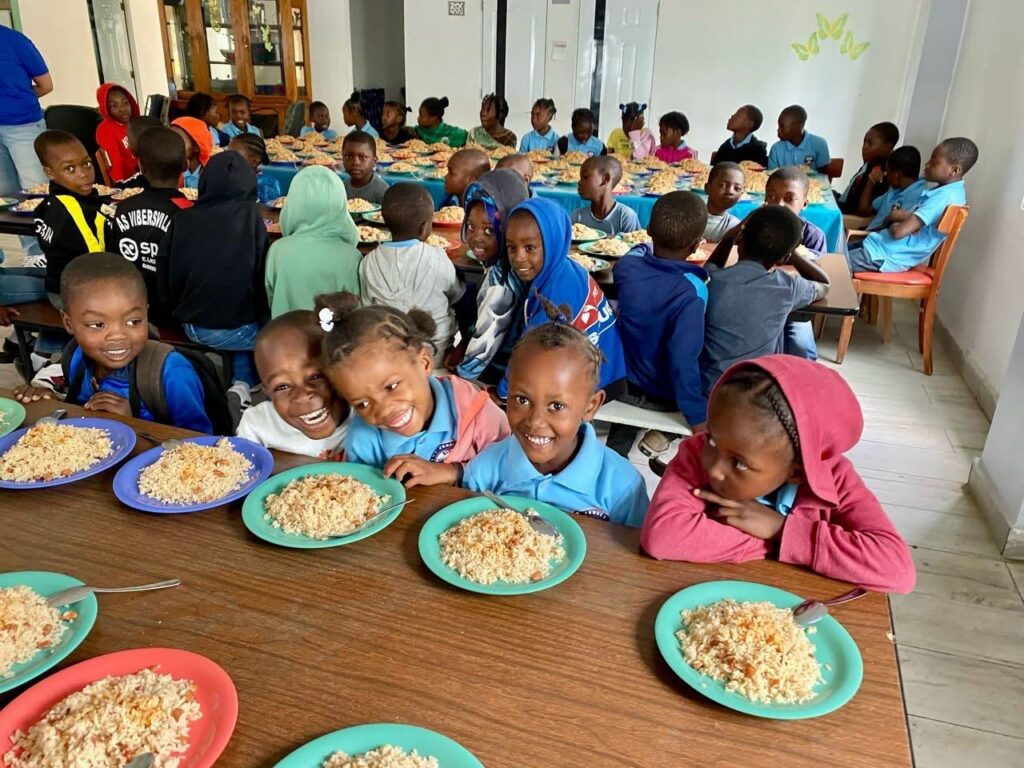
From March through the end of the 2025 school year, Words in Action Haiti provided one hot meal every school day to the children in our program.
One meal. Once a day. It sounds modest. What it produced was not.
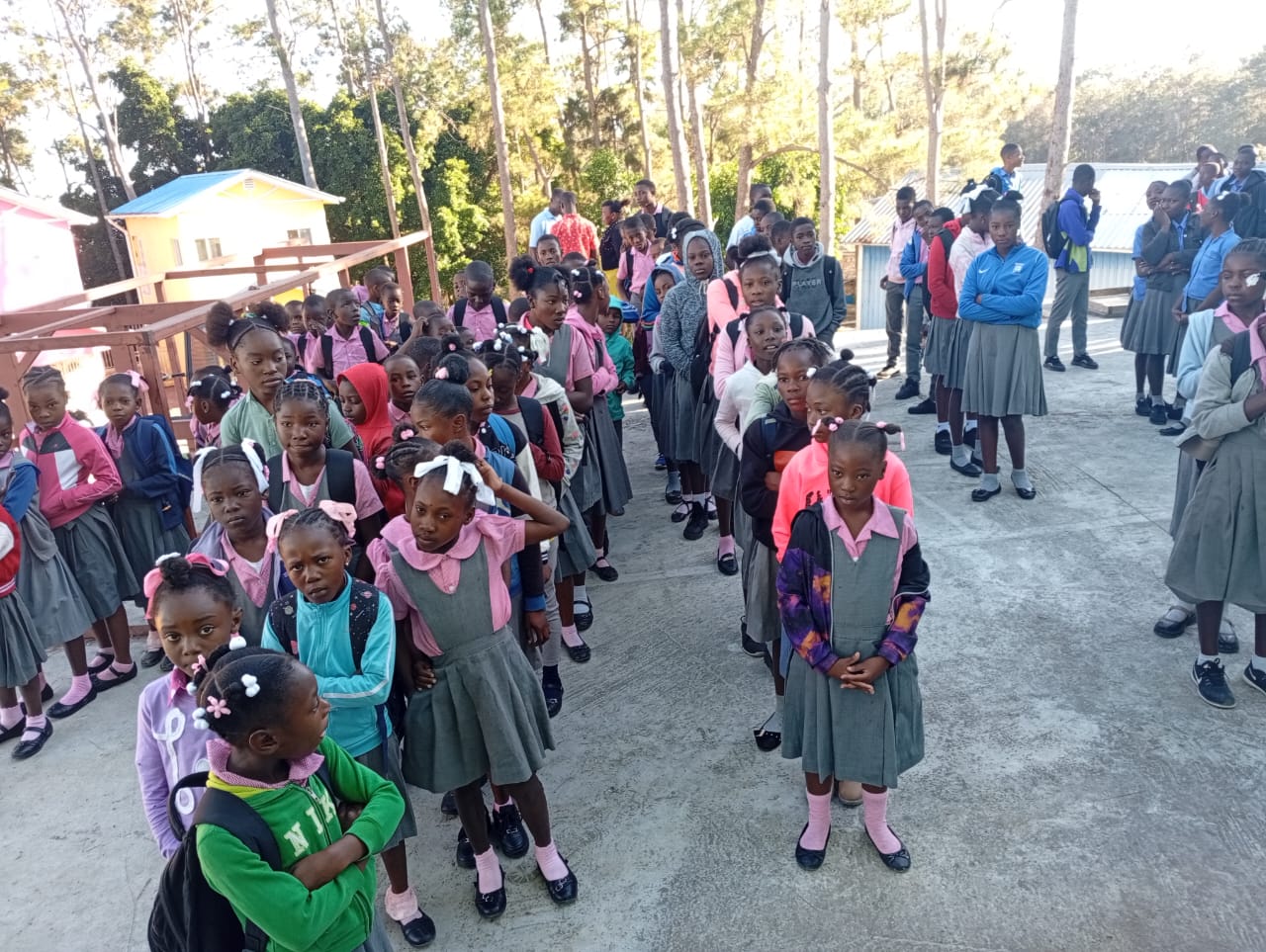
For many of these children, that meal was their only meal. Not the most nutritious meal, not the best meal — the only one. Our teachers began to notice it immediately. Children who had been quiet and withdrawn became more present. Attendance improved. The energy in the classroom shifted. Children stayed after school for extra sessions. They engaged. They laughed.
We Believe No Child Should Spend a Day Without Eating
This is not a programmatic position. It is a moral one.
No child should have to choose between hunger and learning, and no child should have to sit in a classroom, three rows from a blackboard, trying to absorb knowledge while their body is sending distress signals. That is not education. That is endurance. And these children have already been asked to endure far too much.
Feed a child, and you do not just fill a stomach. You signal to that child that they matter. That someone sees them. That the world has not moved on without them.
For displaced children carrying the weight of loss, that signal is not a small thing. It can be the difference between a child who stays and a child who disappears.
What Comes Next
The meal program that began as an emergency response has become a cornerstone of what we do. We are committed to sustaining it and to expanding it as our capacity grows, because the need has not changed. The children are still there. Many are still hungry. And they are still showing up every morning, ready to learn.
That kind of faith deserves to be met with more than a lesson plan. It deserves a meal.
Words in Action Haiti is a 501(c)(3) nonprofit providing education, daily meals, and stability to displaced children in Haiti. Support our school and help us keep the doors open.